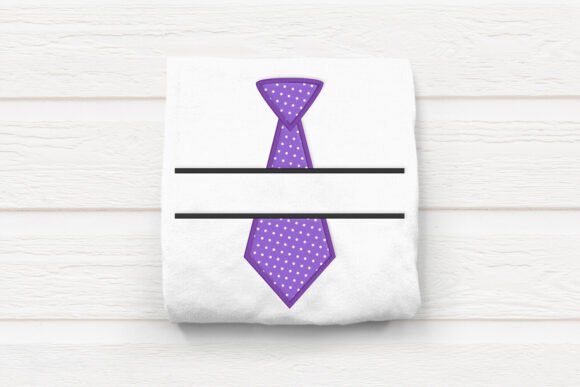
Review: Neck Tie Split Applique Embroidery for Custom Projects
As a designer who has spent years tweaking machine embroidery design files for clients, I have learned that the difference between a charming handmade item and a professional-grade product often comes down to layout intelligence. When I first loaded the Neck Tie Split Applique Embroidery into my software, I was not just looking at a cute graphic; I was evaluating its structural integrity for real-world application. This is not merely a decorative motif; it is a functional template designed for personalization, which changes how we must approach its execution.
First Impressions and Design Personality
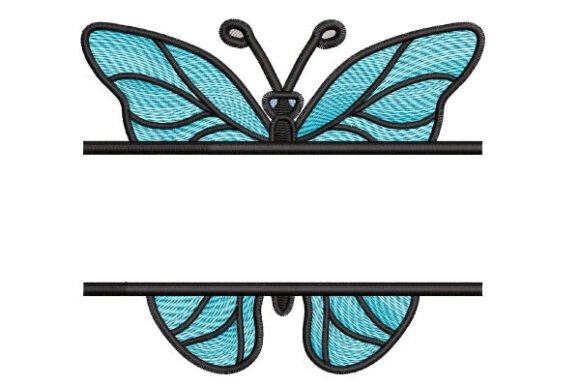
The immediate mood of this design is playful yet structured. It captures the essence of formal wear but strips away the stiffness, making it ideal for Boys apparel or whimsical adult accessories. The silhouette is clean, relying on bold shapes rather than intricate micro-details that might get lost in lower-quality stitching. What stands out most is the intentional split in the center of the tie. In standard applique design work, negative space is often an afterthought, but here it is the primary feature. This gap is not a flaw; it is a dedicated zone for text, names, or dates, transforming a static image into a customizable asset.
Visually, the design balances well. It does not feel top-heavy, nor does it appear too sparse. For an embroidery project intended for commercial sale, this balance is crucial because it ensures the final finished product looks intentional regardless of the fabric choice. Whether you are using plain cotton or a patterned flannel, the strong outlines help the design maintain its identity.
Real-World Application Scenarios
To truly test the viability of this digital embroidery file, I imagined several common scenarios faced by Etsy seller communities and small shop owners. The most obvious application is custom apparel. Picture a navy blue polo shirt or a crisp white bodysuit. The tie sits prominently on the chest, and the split allows for a child’s name to be stitched in a contrasting thread color. This creates an instant heirloom quality, perfect for a personalized gift for a new father or a young boy starting school.
Beyond clothing, I see significant potential in home goods. Imagine this design stitched onto a heavy canvas tote bag design. The durability of the applique method means it can withstand the wear and tear of daily use better than dense fill stitches alone. It could also serve as a charming accent on a kitchen towel or an apron for a father who loves to cook, adding a touch of humor to his craft business merchandise or holiday gifts.
For those creating embroidered patch products, this shape is ideal. The clean edges allow for easy cutting and merging onto felt or twill backings. These patches can then be sold as standalone design assets or applied to denim jackets and caps, expanding the revenue streams for a small shop product line.
Technical Performance and Stitching Considerations
When working with applique, the sequence of stitches is critical. Typically, you will see a placement stitch, followed by the fabric lay-down, a tack-down stitch, and finally, the satin or wide zigzag border. In reviewing the Neck Tie Split Applique Embroidery, I noted that the border width appears consistent. This is vital for covering raw edges effectively. If the satin stitch is too narrow, the fabric underneath may fray over time, especially after washing. If it is too wide, it can cause puckering on lighter materials.
Stitch density is another factor to monitor. Since the main body of the tie is likely covered by the fabric applique, the machine only needs to stitch the perimeter. This reduces the overall stitch count, making it faster to produce—a key advantage for commercial embroidery where time equals money. However, the text area within the split requires careful attention. If you choose to add a name, ensure the font size is proportional to the tie. Tiny lettering in this space might become illegible if the thread colors do not contrast sharply with the background fabric.
Navigating Fabric and Hoop Constraints
While this design is versatile, it is not without limitations. You must consider the hoop size relative to the garment. Placing this on a curved surface like a cap requires careful hooping to prevent distortion. The split in the tie must remain symmetrical; if the fabric shifts during stitching, the text area will look skewed, ruining the professional appearance.
Fabric texture plays a massive role here. On thick materials like fleece or terry cloth, the applique method is superior because it prevents the design from sinking into the pile. However, on thin, stretchy fabrics like jersey knits, you must use a high-quality stabilizer. A cut-away stabilizer is often recommended for garments that will be washed frequently, ensuring the sweatshirt embroidery or baby item retains its shape. Avoid using this design on very dark, textured fabrics if your border thread is light-colored, as the underlying fabric might peek through the stitches if the density is not sufficient.
Enhancing Brand Value and Customer Trust
For creative entrepreneurs, the perceived value of a product is tied to its presentation. This design offers a high level of customization without requiring complex digitizing skills from the end-user. By offering a pre-split design, you save time and reduce error rates. Customers appreciate when a handmade product feels bespoke. Seeing their child’s name perfectly centered in the tie creates an emotional connection, increasing the likelihood of repeat business and positive reviews.
When creating printable mockup images for your online store, ensure you show the design on various backgrounds. Demonstrate how it looks on a baby embroidery onesie versus a adult tote. This visual proof helps buyers envision the final result, reducing hesitation and cart abandonment. It positions your brand as thoughtful and detail-oriented.
Practical Designer Notes for Execution
Before committing to a full production run, always test the embroidery file on scrap fabric similar to your final material. Check the registration of the applique pieces. Ensure the tack-down stitches hold the fabric securely before the final border begins. Review the running stitch paths to ensure they do not create unnecessary bulk under the satin borders.
- Test Thread Contrast: Try both matching and contrasting thread colors for the border to see which highlights the shape best against your chosen fabric.
- Check Licensing: Always confirm the license terms provided with the digital file. Ensure you have the right to sell finished items made with this design if you are operating a craft business.
- Inspect Small Details: Zoom in on the corners of the tie in your software. Sharp corners can sometimes cause thread breaks or bird nests if the machine slows down incorrectly.
- Mockup Variations: Create black and white previews to ensure the design reads well even without color, which is useful for understanding shape clarity.
In conclusion, the Neck Tie Split Applique Embroidery is a robust, versatile tool for any designer’s library. It bridges the gap between playful aesthetics and functional customization. By respecting the technical requirements of applique stitching and choosing the right materials, you can create stunning custom apparel and gifts that stand out in a crowded market. It is a solid choice for anyone looking to add a touch of personality to their holiday embroidery collections or year-round boutique offerings.