Reviewing 3 Autumn Leaves Line Art for Merch
As an embroidery designer who has spent years digitizing files for small businesses, I know that not every design translates well from a screen to a stitched finished product. When I first loaded the 3 Autumn Leaves Line Art Embroidery file into my software, my immediate impression was one of refined simplicity. This is not a loud, over-digitized graphic trying to shout for attention. Instead, it feels elegant, modern, and distinctly professional. For business owners looking to elevate their brand without overwhelming their merchandise, this minimal approach is often the key to success.
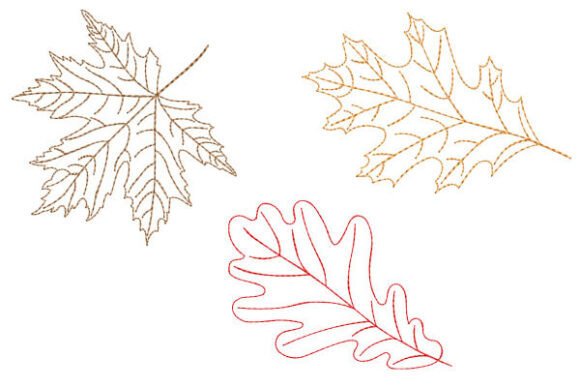
The design features three distinct leaf shapes rendered in clean line art. In the world of commercial embroidery, less is frequently more. Complex gradients and high stitch counts can look muddy on certain fabrics, but line art relies on precision and spacing. This particular design appears to prioritize clarity, making it an excellent candidate for brands that want to convey a sense of organic quality and handmade care. Whether you run a boutique coffee shop, a floral studio, or an Etsy store selling artisanal goods, this aesthetic aligns perfectly with current trends favoring rustic yet polished visuals.
Real-World Applications for Small Business Merch
The true test of any machine embroidery design is its versatility across different products. I evaluated how this leaf motif would perform on standard items used by small business owners for branding and customer engagement.
- Embroidered Patches: This is perhaps the strongest use case. The line art style translates beautifully into a woven or embroidered patch. It allows for a clean border and ensures the details remain visible even when the patch is small. These can be sewn onto denim jackets, canvas bags, or used as branded labels on packaging.
- Apron Embroidery: For bakeries, florists, and craft studios, staff uniforms are walking billboards. Placing these leaves on the chest pocket or lower corner of an apron adds a touch of seasonal warmth without looking cluttered. The minimal stitch count means the fabric remains soft and comfortable for all-day wear.
- Tote Bag Design: Canvas tote bags are a staple for retail shops. The contrast of thread against natural canvas creates a high-end look. Because the design is not overly dense, it avoids the "puckering" effect that often plagues large logos on thin canvas materials.
- Cap Embroidery: Curved surfaces are tricky. However, because this design uses open line work rather than solid fills, it sits flatter on the front panel of a baseball cap. It serves as a subtle accent rather than a dominant logo, which appeals to customers who prefer understated branding.
Using this design as part of your small business merch strategy can significantly enhance perceived value. Customers often associate intricate, clean stitching with higher quality goods. By incorporating this digital embroidery file into your product line, you signal attention to detail.
Brand Identity and Visual Consistency
Your brand identity is built on consistency. If your shop focuses on natural, eco-friendly, or handmade products, the 3 Autumn Leaves Line Art Embroidery reinforces that narrative visually. It does not clash with other design assets; instead, it complements them. When used on custom apparel or promotional gifts, it creates a cohesive look that builds customer trust.
Consider the psychological impact. Autumn leaves evoke feelings of warmth, change, and comfort. For a local business, this emotional connection can drive buyer engagement. It transforms a simple uniform or bag into a piece of storytelling. Furthermore, because the design is minimal, it ages well. It will not look dated next season, ensuring your design assets remain relevant for multiple years.
Technical Considerations and Production Notes
While the design is aesthetically pleasing, practical execution requires careful planning. As a designer, I always advise testing before full production. Here are critical factors to consider when using this file.
First, check the stitch density. Line art designs rely on the stability of the outline stitches. If the density is too low, the lines may appear sparse or uneven on textured fabrics. Conversely, if it is too high, it might pull the fabric. Always run a test stitch-out on the actual material you intend to use. Fabric texture plays a huge role here; a smooth twill will show the lines sharply, while a rough linen might soften the appearance.
Second, consider thread colors. While autumn suggests oranges, reds, and browns, do not limit yourself. Test the design in black and white first. A monochrome version can look incredibly chic and modern, suitable for year-round use beyond the fall season. High contrast between the thread and the fabric is essential for line art to remain legible. Avoid low-contrast combinations, such as light beige thread on cream canvas, as the details will get lost.
Third, evaluate the hoop size and placement. Ensure the design fits comfortably within your hoop without being too close to the edge, which can cause registration issues. For small patches, verify that the smallest leaf detail is large enough to be stitched cleanly. Most machines struggle with elements smaller than 3-4mm. If the file includes tiny details, you may need to simplify them or increase the overall size of the design.
Finally, always use the appropriate stabilizer. For stretchy fabrics like jersey t-shirts, a cut-away stabilizer is necessary to prevent distortion. For woven fabrics like canvas or denim, a tear-away may suffice, but a light cut-away often provides a cleaner finish for line work. Never skip this step, as poor stabilization is the most common cause of failed embroidery projects.
Where to Use Caution
Not every application is ideal. Avoid placing this design on areas subject to extreme friction or frequent heavy washing without proper reinforcement, as fine lines can break down faster than solid fills. Also, be cautious with very dark uniforms if you are using dark thread colors; visibility is key. If you plan to use this for tiny lettering accompaniments, ensure the font weight matches the delicate nature of the leaves. Heavy, bold fonts will overpower the subtle elegance of the line art.
Before committing to a large run of commercial embroidery, create a printable mockup or a physical sample for client approval. This allows you to spot any potential issues with spacing or color harmony. Additionally, confirm the licensing terms of the embroidery file. Ensure you have the right to use it for commercial purposes, especially if you are selling the finished items or using them for branded business assets.
In conclusion, the 3 Autumn Leaves Line Art Embroidery is a versatile, professional-grade asset for small business owners. It balances aesthetic appeal with technical practicality, making it suitable for patches, apparel, and accessories. By paying attention to fabric choice, stabilizer, and thread contrast, you can produce high-quality merchandise that enhances your brand identity and delights your customers.