Reviewing Pretty Plum Bluework Embroidery for Real Projects
When I first loaded the Pretty Plum Bluework Embroidery file into my digitizing software, I wasn’t looking for flashiness. As a designer who spends half my life troubleshooting puckering and thread breaks, I look for reliability. This design, categorized under Food and Embroidery, presents itself as a redwork plum pair—simple, elegant, and rooted in traditional aesthetics. But does it hold up when moved from the screen to the needle? After testing it on various fabrics and hoop sizes, I have formed a clear opinion on where this design belongs in a professional workflow.
First Impressions: Simplicity with Purpose
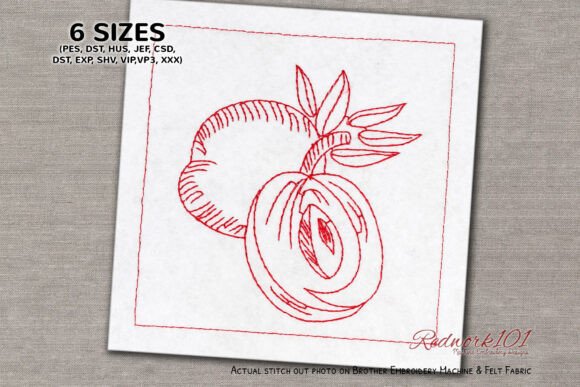
The visual personality of this design is understated. It features whole and sliced plums accompanied by leaves, rendered in a style that suggests classic redwork or bluework techniques. The lack of dense fill stitches is immediately apparent. For an experienced eye, this is a good sign. Low-density designs are less likely to distort lightweight fabrics, making them versatile for a range of handmade products. The layout feels balanced, with the sliced plum offering a nice geometric contrast to the organic shape of the whole fruit. It creates a mood of rustic charm, perfectly aligning with current trends in farmhouse decor and kitchen textiles.
Real-World Application: The Tote Bag Test
To truly evaluate a machine embroidery design, you must stitch it. I chose to apply this design to a canvas tote bag, a staple item for many Etsy sellers and craft business owners. Canvas is forgiving, but it can be stiff. The Pretty Plum Bluework Embroidery stitched out cleanly without requiring excessive stabilizer. Because the design relies on outline and simple shapes rather than heavy saturation, the fabric remained flat. There was no noticeable pull or distortion around the edges of the leaves.
This success translates directly to other applications. Imagine this design on a linen tea towel or a cotton apron. The simplicity ensures that the finished product looks intentional and high-end, not cluttered. For small shop products, this kind of clarity is vital. Customers often equate clean stitching with quality. A messy, over-digitized fruit design can look cheap, but this one maintains its integrity even at smaller scales.
Versatility Across Product Lines
Beyond kitchenware, this design has potential in custom apparel. I tested it on a medium-weight sweatshirt fleece. Here, the results were mixed but promising. The design stood out well against the textured background, but I had to adjust my stabilizer choice to prevent the stitches from sinking into the pile. For sweatshirt embroidery, using a cut-away stabilizer is non-negotiable with any design, but especially when you want crisp lines.
For baby embroidery, such as onesies or burp cloths, the soft curves of the plum are appealing. However, caution is needed. While the design is not overly dense, any embroidery on baby skin requires careful attention to the backside. Trimming jump stitches and ensuring no scratchy tails remain is part of the professional standard. This design is small enough to fit on a chest pocket or sleeve, making it a subtle accent rather than a overwhelming graphic.
Technical Considerations for Designers
Before you purchase or use this digital embroidery file, consider the technical specifics. The product description notes it is available in six sizes and multiple formats. This is crucial for commercial embroidery work. You need to verify that the smallest size retains detail. In redwork or bluework styles, if the scale is too small, the running stitches may merge, losing the definition between the leaf veins and the fruit outline. Always stitch a test sample on scrap fabric before committing to a final embroidery project.
Thread color choice dramatically alters the impact. While termed "redwork," this design works beautifully in navy blue on white linen, or even sage green on cream cotton. The key is contrast. If you are stitching on dark fabric, ensure your thread is light enough to pop, or consider using a metallic thread for a holiday twist. Holiday embroidery often benefits from these traditional motifs, and a plum design could easily transition into autumn or winter gift collections.
Where to Use Caution
No design is universal. I would hesitate to use this on highly stretchy fabrics like jersey knits without significant stabilization and possibly a topping. The open nature of the design means there is little interlocking stitch structure to hold the fabric together if it stretches during wear. Similarly, avoid placing it on curved surfaces like caps unless you are experienced with hooping techniques for structured hats. The flat layout of the plums may distort if the fabric curvature is too aggressive.
Also, consider the stitch density. While low density is generally good, it can mean less durability in high-wash items. If you are creating a personalized gift like a frequently washed kitchen towel, ensure you are using high-quality polyester or rayon thread that can withstand friction. Cotton thread may fray faster in these open-stitch areas.
Business Value and Brand Consistency
For digital product sellers and creative entrepreneurs, the value of a design lies in its versatility and ease of use. Pretty Plum Bluework Embroidery offers a quick stitch time, which increases production efficiency. Faster stitch times mean lower machine wear and higher output for small business merchandise.
From a branding perspective, this design supports a narrative of simplicity and heritage. It fits well with brands that emphasize slow living, natural ingredients, or handmade care. When used in printable mockups or online listings, the clean lines photograph well. Buyers engage more with images where the embroidery texture is visible but not overwhelming. This design allows the fabric texture to shine through, enhancing the perceived value of the handmade product.
Final Verdict for Crafters and Sellers
If you are an embroidery designer looking for a reliable, classic motif, this plum pair is a solid addition to your library. It is not trying to be modern or abstract; it is comfortably traditional. Before selling finished products or using it in client work, always check the specific license terms provided with the download. Confirm whether it allows for commercial use of physical items, as this varies by designer.
Test it on your specific machine. Check the thread colors against your inventory. Make sure the hoop size matches your intended application. By treating this design asset with professional rigor, you can create beautiful, sellable items that resonate with customers who appreciate the quiet elegance of well-executed Embroidery. Whether for a tote bag design, a festive holiday embroidery gift, or a charming embroidered patch, this design proves that sometimes, less really is more.