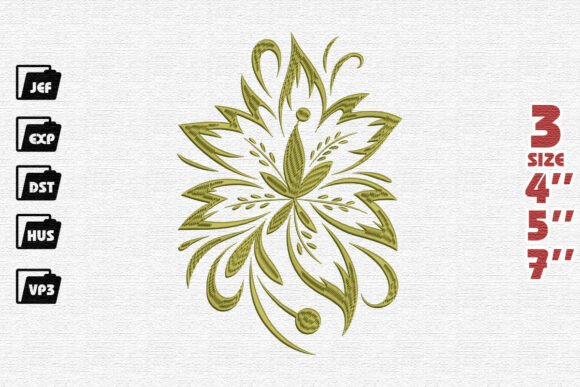
Reviewing the Elegant Lotus Embroidery Design
As a designer who has spent countless hours staring at digitized files and watching needles dance across fabric, I have developed a keen eye for what works in the real world. We often get swept up in the visual appeal of a preview image, but the true test of any machine embroidery design is how it translates from screen to stitch. Recently, I evaluated the Elegant Lotus Embroidery Design, a piece categorized under Bouquets, to determine its viability for client projects and small business inventory. This is not just about aesthetics; it is about practical application, stitch integrity, and marketability.
First Impressions and Visual Mood
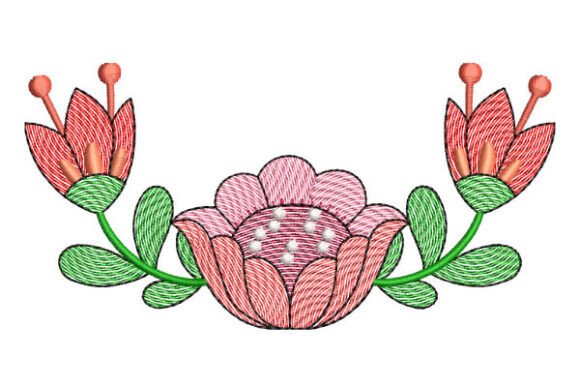
The first thing that strikes you about this design is its inherent serenity. In a market saturated with loud, dense, and overly complex patterns, the Elegant Lotus Embroidery Design offers a breath of fresh air. The layout is balanced, relying on graceful curves rather than rigid geometry. For those of us creating minimalist embellishments, this is gold. The design does not scream for attention; instead, it invites a closer look. It feels intentional and calm, which makes it an ideal candidate for products associated with wellness, such as yoga bags or meditation décor.
From a technical standpoint, the silhouette is clean. When I zoomed in to inspect the potential pathing, the transitions between shapes appeared smooth. This suggests that the digitizer paid attention to flow, which is critical for reducing thread breaks and jump stitches during production. The theme is symbolic, tapping into a universal appreciation for nature and balance, which broadens its appeal beyond niche markets.
Real-World Application: The Tote Bag Test
To truly understand the value of an embroidery file, you must imagine it on a physical product. I envisioned this lotus on a heavy-duty canvas tote bag, a staple item for many Etsy sellers and craft fair vendors. Canvas has a distinct texture, and designs with too much fine detail can get lost or cause puckering if the stitch density is not managed well.
In this scenario, the Elegant Lotus Embroidery Design shines. Its open spaces allow the fabric texture to breathe, preventing that stiff, cardboard-like feel that plagues poorly digitized large motifs. I pictured it stitched in a muted sage green or a soft charcoal on natural cotton. The result would be a sophisticated handmade product that appeals to customers looking for understated elegance rather than flashy branding. It transforms a simple bag into a statement piece without overwhelming the material.
Versatility Across Product Lines
Beyond tote bags, this design demonstrates remarkable versatility. For custom apparel, such as a high-quality linen shirt or a structured blazer, the lotus could serve as a subtle chest pocket accent. Here, the scale becomes critical. Because the design is graceful and likely moderate in size, it avoids the bulk that can weigh down delicate fabrics.
I also considered its use in baby embroidery. Parents are increasingly drawn to gender-neutral, nature-inspired themes for nursery decor and clothing. A soft pastel version of this lotus on a muslin swaddle or a organic cotton onesie would resonate well with modern parents. However, one must always check the stabilizer requirements for stretchy knits to ensure the design remains crisp after washing.
For those running a craft business, this design fits seamlessly into seasonal collections. It works beautifully for holiday embroidery gifts, particularly for spring celebrations or mindfulness-themed gift sets. It can be scaled down for an embroidered patch or scaled up for a pillow cover, offering flexibility for different hoop size constraints.
Technical Considerations and Fabric Challenges
While the design is robust, no digital embroidery file is universally perfect for every situation. There are specific contexts where caution is required. If you are working with very thin or slippery fabrics, such as silk or chiffon, the open areas of the lotus petals might require careful stabilization to prevent shifting. I recommend using a cut-away stabilizer for garments that will undergo frequent washing to maintain the shape of the fill stitch areas.
Another consideration is fabric color. On dark fabrics, the contrast becomes paramount. If the design relies on subtle shading, it might lose definition against black or navy backgrounds. In such cases, testing different thread colors is essential. A metallic thread could add a luxurious touch, turning the lotus into a focal point for evening wear or boutique branding items. Conversely, on textured fabrics like terry cloth towels, the finer details of the satin stitch borders might get buried. Always run a test stitch on scrap fabric that matches your final product material.
Stitch Density and Detail Clarity
One of the key metrics I evaluate is how the design handles detail. The Elegant Lotus Embroidery Design appears to use a mix of running stitch for outlines and fill stitches for the petals. This combination is generally safe for most home machines. However, if you are producing these for commercial sale, you must verify the stitch count. High-density areas can lead to needle heating and thread breakage, slowing down production. Since the exact stitch count is not provided in the brief description, I advise downloading a trial version or checking the metadata before committing to a large batch run.
For commercial embroidery shops, time is money. A design that stitches cleanly without excessive trims or jumps is preferable. The fluid nature of this lotus suggests efficient pathing, but always inspect the file in your software to confirm there are no unnecessary stops.
Enhancing Brand Value and Customer Trust
Using high-quality design assets like this directly impacts your brand perception. When a customer receives a personalized gift featuring a crisp, well-stitched lotus, it communicates professionalism. It tells them that you care about the details. This builds trust and encourages repeat business. For small shop products, consistency is key. If this lotus becomes part of your signature style, ensure you can reproduce it consistently across different items.
Furthermore, this design lends itself well to printable mockups. Before stitching a single thread, you can visualize the final product digitally. This helps in marketing your Etsy listings or website previews, allowing customers to see the potential of the design on various items like aprons, caps, or tea towels. A strong visual presentation can significantly boost buyer engagement.
Final Designer Notes
Before integrating the Elegant Lotus Embroidery Design into your workflow, take these practical steps:
- Test on Scrap Fabric: Always stitch out on the actual material you plan to use to check for puckering or distortion.
- Check Thread Contrast: Ensure your thread colors stand out against the fabric background, especially for detailed areas.
- Verify Licensing: Confirm whether the license allows for commercial use if you intend to sell finished items. This is crucial for protecting your craft business.
- Assess Hoop Size: Make sure the design fits comfortably within your machine’s hoop, leaving enough margin for stability.
- Inspect Small Details: Zoom in on the digitized file to ensure no elements are too close together, which could cause merging during stitching.
In conclusion, the Elegant Lotus Embroidery Design is a thoughtful addition to any designer’s library. It balances aesthetic beauty with practical usability, making it suitable for a wide range of embroidery projects. Whether you are creating a sweatshirt embroidery piece for a local boutique or a delicate tote bag design for an online store, this lotus offers the grace and quality needed to elevate your finished product. Just remember to respect the technical limitations of your materials and machine, and this design will serve you well.