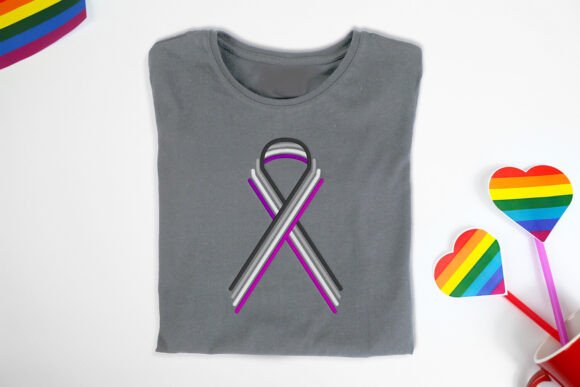
Reviewing the Ribbon with 4 Lines Embroidery Design
As a designer who has spent countless hours digitizing and testing files for client work, I have learned that simplicity is often the hardest thing to get right. When I first loaded the Ribbon with 4 Lines Embroidery file into my software, my initial reaction was one of cautious optimism. It is not a complex, high-density masterpiece, but it possesses a clean, graphic quality that can be incredibly versatile if handled with care. For those of us running small shops or selling on platforms like Etsy, finding designs that stitch quickly while maintaining visual impact is essential. This design sits squarely in that sweet spot, provided you understand its limitations and strengths.
First Impressions and Visual Personality
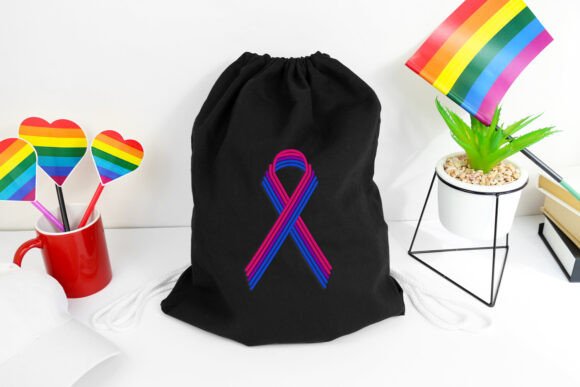
The layout of this design is straightforward: a ribbon motif divided into four distinct stripes. This structure immediately suggests versatility. Unlike intricate floral patterns or dense fill-heavy logos, this design relies on line work and color blocking. The mood it creates is modern, symbolic, and adaptable. Because the lines are separate, the design invites creativity through thread selection. You are not locked into a single aesthetic. Instead, you can use a different color for each line to create various ribbons, including patriotic flag colors for different countries, LGBT flags, and awareness ribbons for specific causes.
This flexibility makes it a strong candidate for the Remembrance category, where symbolic color combinations carry significant weight. However, it is not limited to solemn occasions. The clean geometry works equally well for boutique branding, holiday gifts, or everyday custom apparel. The visual personality is uncluttered, which means it will not compete aggressively with other elements if you plan to combine it with text or larger graphics.
Real-World Application: The Tote Bag Test
To truly evaluate a machine embroidery design, I believe in putting it to work on a real product. Recently, I prepared a batch of canvas tote bags for a local craft fair. I chose this ribbon design because I wanted to offer customers a quick, affordable customization option. I stitched the design onto a medium-weight cotton canvas using a standard tear-away stabilizer. The result was crisp and professional.
The four lines allowed me to match the store’s branding colors perfectly. More importantly, the stitch time was minimal. For a craft business owner, time is money. A design that stitches out in minutes rather than hours allows for higher volume production without sacrificing quality. Customers reacted positively to the clean look. It felt intentional and designed, not just slapped on. This is crucial for building customer trust and perceived value in a handmade product.
Versatility Across Product Types
Beyond tote bags, this design performs well on several other substrates. Here is how it translates across different items:
- Sweatshirt embroidery: On fleece or French terry, the design remains visible without sinking in, provided you use a cut-away stabilizer to support the stretch.
- Custom apparel: It works beautifully on the chest pocket area of t-shirts or as a sleeve accent on long-sleeve tees.
- Embroidered patch: The defined edges make it suitable for creating iron-on or sew-on patches, especially if you add a satin stitch border around the entire shape.
- Baby embroidery: For onesies or burp cloths, the simple lines are gentle and appealing. Just ensure the thread colors are soft and the stitching is secure.
- Holiday embroidery: By swapping thread colors, you can instantly adapt this for Christmas, Pride month, or national holidays, making it a year-round asset for your design assets library.
Technical Considerations and Stitch Quality
While the design is simple, technical execution matters. The lines likely utilize a combination of satin stitch and running stitch elements, depending on the width of the stripes. If the lines are narrow, they may be single runs; if wider, they might be satin columns. It is vital to check the stitch density in your editing software. If the density is too high for thin fabric, you risk puckering. If it is too low on thick fabric, the background might show through.
I recommend testing the design on scrap fabric first. Check thread color contrast carefully. Since the design relies on four distinct lines, poor color choices can make the ribbon look muddy or indistinct. For example, using dark blue next to black might lose definition. Always test it in black and white mockups to ensure the shape holds up even without color differentiation. This is a good practice for any digital embroidery file you intend to sell or use commercially.
Where to Use Caution
No design is perfect for every situation. There are specific scenarios where you should approach this embroidery project with caution:
- Small hoop sizes: Ensure the design fits comfortably within your hoop without hitting the edges, leaving room for stabilization.
- Textured fabrics: On highly textured materials like terry cloth or heavy wool, fine lines can get lost. Consider increasing the stitch width if your software allows.
- Stretchy fabric: Without proper stabilizer, the lines may distort. Always use a cut-away stabilizer for knits.
- Curved surfaces: Stitching on caps requires careful hooping. The flat nature of the ribbon design might warp if the cap panel is not stabilized correctly.
- Dense stitch areas: If you layer this design over another graphic, ensure the underlying stitches do not cause bulk or needle breaks.
Enhancing Brand Consistency and Value
For Etsy sellers and small shop product creators, consistency is key. This design helps maintain a cohesive look across different products. Whether you are selling a personalized gift or a finished product for a boutique, the clean lines of the ribbon convey professionalism. It does not look amateurish or cluttered. This enhances brand recognition and buyer engagement.
When creating printable mockup previews for your online store, this design photographs well. Its geometric nature translates clearly in digital images, helping potential customers visualize the final item. This can significantly boost conversion rates for your commercial embroidery listings.
Final Designer Notes
Before you commit to using the Ribbon with 4 Lines Embroidery in a large batch or client project, take these final steps:
First, confirm licensing. While many designs allow for commercial use of finished items, some restrict the resale of the embroidery file itself. Always read the terms provided by the creator. Second, inspect the small details. Zoom in on the connection points between the lines. Are there jump stitches that need trimming? Is the start/stop point optimized to minimize thread waste?
Finally, consider the emotional resonance of the colors you choose. Since this design is often used for Remembrance or pride flags, respect the symbolism. Choose thread colors that honor the intended message. When done correctly, this simple four-line ribbon becomes a powerful tool in your creative arsenal. It is efficient, adaptable, and visually striking, making it a reliable choice for both hobbyists and professional apparel decorators alike.
In conclusion, this design earns a spot in my regular rotation. It is not flashy, but it is functional and elegant. For anyone looking to expand their craft business offerings with meaningful, quick-to-stitch items, this ribbon design is worth evaluating. Just remember to test, stabilize, and choose your colors with intention.